





The New Year represents a fresh start—a chance to reset habits, refocus priorities, and make improvements that last. While many resolutions center around health, finances, or organization, one area that often gets overlooked is home comfort. Your HVAC system plays a critical role in how comfortable, healthy, and energy-efficient your home feels every day.
From keeping your family warm on cold winter mornings to providing clean, breathable air year-round, your heating and cooling system works constantly behind the scenes. Unfortunately, many homeowners only think about their HVAC system when something goes wrong. This year, change that mindset by making a few simple HVAC resolutions that can lead to fewer breakdowns, lower energy bills, and a healthier home environment.
Here are seven HVAC resolutions to help you start the New Year with confidence and comfort.
One of the most impactful resolutions you can make is committing to professional HVAC maintenance. Regular inspections allow trained technicians to identify worn components, dirty parts, and potential safety concerns before they turn into costly repairs.
During a maintenance visit, your technician will inspect electrical connections, clean components, test system controls, and ensure your equipment is operating efficiently. For furnaces and heat pumps, this can mean improved heating performance and reduced risk of winter breakdowns. For air conditioning systems, early maintenance ensures your system will be ready when warmer weather arrives.
Routine maintenance also helps extend the lifespan of your HVAC system and can keep manufacturer warranties intact. Scheduling service early in the New Year sets the tone for proactive home care.
Air filters are small components with a big impact. When filters become clogged with dust, pet hair, and debris, airflow is restricted. This forces your HVAC system to work harder, increasing energy usage and wear on internal components.
Dirty filters also allow allergens and airborne particles to circulate throughout your home, affecting indoor air quality. Make it a goal to check your air filter every month and replace it every one to three months, depending on your household needs.
Homes with pets, allergy sufferers, or higher occupancy may require more frequent changes. Clean filters improve efficiency, support healthier air, and help your system run more smoothly throughout the year.
Indoor air quality has a direct impact on comfort and health, especially during winter when homes are sealed tightly to conserve heat. Dust, mold spores, bacteria, and allergens can build up indoors, leading to respiratory irritation, dry air, and allergy flare-ups.
This year, consider indoor air quality solutions that integrate with your HVAC system. Whole-home air purifiers, high-efficiency filtration, UV light systems, and humidifiers can significantly improve the air you breathe.
Better indoor air quality can lead to fewer allergy symptoms, improved sleep, and a healthier living environment for your entire household—particularly important for children, seniors, and those with asthma or other respiratory concerns.
Even a high-efficiency HVAC system can struggle if conditioned air is escaping through leaks in your home. Gaps around windows, doors, attic spaces, and ductwork allow warm air to escape in winter and hot air to enter during summer.
Sealing air leaks and improving insulation reduces energy loss and helps maintain consistent indoor temperatures. This not only lowers utility bills but also reduces strain on your HVAC system, allowing it to operate more efficiently.
Consider having a professional evaluate your ductwork and insulation levels. Addressing these issues can dramatically improve comfort without replacing your HVAC equipment.
Smart thermostats are an excellent New Year upgrade for homeowners looking to improve efficiency and convenience. These devices allow you to create customized heating and cooling schedules, adjust temperatures remotely, and reduce energy usage when you’re away from home.
Many smart thermostats learn your habits over time and automatically optimize settings for comfort and efficiency. Some models even provide energy reports and system alerts, helping you stay informed about your HVAC performance.
Upgrading to a smart thermostat can lead to noticeable energy savings while keeping your home comfortable when it matters most.
If certain rooms in your home are consistently too hot or too cold, don’t ignore the problem. Uneven temperatures are often a sign of airflow issues, duct leaks, improper system sizing, or aging equipment.
Make it a resolution to address comfort imbalances this year. A professional HVAC assessment can identify the root cause and recommend solutions such as duct adjustments, zoning systems, or equipment upgrades.
Balanced temperatures improve comfort, reduce energy waste, and help your HVAC system operate at peak performance.
HVAC systems have a limited lifespan, typically between 10 and 20 years depending on maintenance and usage. If your system is aging, unreliable, or causing rising energy bills, the New Year is an ideal time to plan ahead.
Rather than waiting for an emergency breakdown during extreme weather, schedule an evaluation to understand your system’s condition. This allows you to explore repair or replacement options on your terms and budget.
Planning ahead also gives you time to consider high-efficiency upgrades, financing options, and available rebates—helping you make a confident, informed decision.
The New Year is the perfect opportunity to invest in your home’s comfort and efficiency. By committing to these seven HVAC resolutions, you can enjoy cleaner air, fewer repairs, lower energy bills, and consistent comfort throughout the year.
Whether your system needs routine maintenance, indoor air quality improvements, or help planning for the future, partnering with a trusted HVAC professional ensures your home is ready for every season. Start the year with proactive care and enjoy the peace of mind that comes with a comfortable, healthy home.
Start Your New Year’s Resolutions Today!
CONTACT US

When the holidays roll around, we picture warm homes, glowing lights, family gatherings, and the unmistakable comfort that comes with the winter season. But nothing can disrupt that cozy holiday magic faster than a furnace that decides to fail right when you need it most. Whether you’re hosting guests or simply trying to enjoy a peaceful night in, heat is something you can’t do without — especially during the chilliest weeks of the year.
The good news? A broken furnace doesn’t have to ruin Christmas. With the right preparation and a clear understanding of early warning signs, you can keep your home warm, safe, and ready for all the festivities.
It’s no coincidence that heating systems tend to struggle or fail around the holidays. Your furnace may be working harder than usual as temperatures drop, guests gather, and doors open more frequently. In many areas, Christmas also lines up with the first true stretch of sustained cold weather — a time when older or poorly maintained systems finally show their age.
Common factors that lead to holiday furnace breakdowns include:
Fortunately, most breakdowns are preventable with simple early-season maintenance and awareness.
Before your furnace stops working entirely, it will often show small but important signals that something isn’t right. Recognizing these signs early can save you both stress and repair costs.
If you hear rattling, banging, squealing, or grinding, your furnace is telling you something is wrong. These noises can indicate loose parts, failing blower bearings, or ignition issues.
If some rooms feel warm while others stay cold, there may be problems with your ducts, blower motor, or thermostat. This uneven heating often shows up right before a bigger failure.
If your furnace turns on and off repeatedly in short bursts, it’s struggling. Short cycling wastes energy and often indicates a blocked filter, overheating system, or malfunctioning sensor.
A brief dusty smell when first turning on the heat is normal. But if the burning smell persists — or if you notice electrical or metallic odors — shut the system down and call a professional.
Warm air should arrive within minutes of the furnace turning on. If the air never warms up, there’s likely a problem with the ignition, burner, or heat exchanger.
While some furnace issues occur without warning, most can be prevented simply by taking basic steps early in the season.
If the heat goes out — especially on a cold holiday evening — here’s what you can do before panic sets in:
If your furnace requires repair, there are ways to maintain warmth temporarily:
Christmas should be filled with joy, comfort, and time spent with loved ones — not stress over a cold home. Staying alert to early warning signs, making maintenance a priority, and knowing how to respond during an outage will give you peace of mind all season long.
And if the unexpected happens? Don’t worry, we are here to help. Our professionals at Precision Air are ready to help restore the warmth so you can get back to the holiday spirit in no time.
Happy Holidays — and may your home stay cozy all season long!
Contact us today if you need an HVAC checkup before the holidays.

Winter in Anderson, SC, can bring chilly temperatures, making a reliable heating system essential for home comfort. Unfortunately, cold weather can put extra strain on your heating unit, leading to unexpected issues. At David Taylor Heating & Air, we want to ensure your home stays warm all season long. Here are some of the most common heating problems homeowners face in winter and how to fix them.
Possible Causes: Thermostat issues, tripped circuit breaker, or a faulty ignition system.
How to Fix It: Check your thermostat settings and ensure it’s set to “heat.” If the circuit breaker has tripped, reset it. If the furnace still won’t turn on, the ignition system may need professional repair.
Possible Causes: Clogged air filters, dirty burners, or ductwork leaks.
How to Fix It: Replace dirty air filters regularly to maintain proper airflow. If your furnace burners are dirty, they may need to be cleaned by a professional. Inspect ductwork for leaks that could be allowing warm air to escape.
Possible Causes: A clogged filter, malfunctioning thermostat, or an improperly sized furnace.
How to Fix It: Start by changing the air filter. If the problem persists, check the thermostat to ensure it’s functioning correctly. If your furnace is the wrong size for your home, consulting an HVAC professional for a proper assessment is best.
Possible Causes: Blocked vents, poor insulation, or an aging furnace.
How to Fix It: Ensure that all vents are open and unobstructed. Check for insulation issues around windows and doors. If your furnace is old and struggling to distribute heat evenly, it may be time for an upgrade.
Possible Causes: Loose components, a failing blower motor, or dirty burners.
How to Fix It: Rattling or banging noises could indicate loose parts that need tightening. A whining or squealing sound may point to a failing blower motor, which should be checked by a professional. Regular maintenance can prevent these issues from worsening.
Possible Causes: A dirty flame sensor, faulty thermocouple, or gas supply issues.
How to Fix It: Clean the flame sensor to ensure proper ignition. If the thermocouple is faulty, it may need replacement. If you suspect a gas supply issue, contact your gas provider or an HVAC technician immediately.
Possible Causes: Poor system efficiency, dirty filters, or duct leaks.
How to Fix It: Keep up with routine maintenance, including filter replacements and duct inspections. Consider upgrading to a high-efficiency heating system if your current unit is outdated.
If you’re experiencing heating problems this winter, don’t hesitate to call the experts at David Taylor Heating & Air in Anderson, SC. Our team is dedicated to keeping your home comfortable and energy-efficient. Contact us today for reliable heating repair, maintenance, and installation services! To learn more about our professional heating and air conditioning services, check out our service page today!
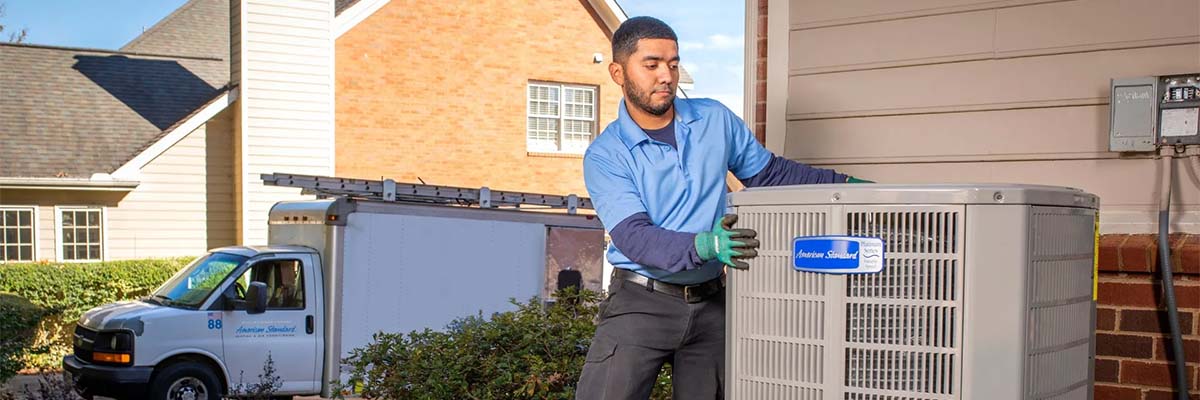
As the winter chill sets in, keeping your home warm and cozy often means an increase in energy usage—and higher energy bills. But with the right strategies, you can enjoy a comfortable home without breaking the bank. At David Taylor Heating & Air, we understand how vital it is to strike a balance between warmth and energy efficiency. Here are some tips to help you save on energy bills this winter while making the most of your HVAC system.
Before the cold weather takes over, schedule a maintenance check for your heating system. Regular tune-ups ensure your system operates efficiently, reducing the strain on your equipment and lowering energy consumption. Our expert technicians in Anderson, SC, can inspect and optimize your system to prepare it for the season ahead.
Installing a programmable thermostat is a simple way to cut down on energy usage. Set it to lower the temperature when you’re sleeping or away from home and to warm up just before you wake up or return. For every degree you lower your thermostat over an eight-hour period, you can save up to 1% on your heating bill.
Drafty windows and doors can cause your HVAC system to work overtime to keep your home warm. Check for and seal any leaks using weatherstripping or caulking. Don’t forget to inspect less obvious areas, such as around electrical outlets, attic hatches, and plumbing penetrations.
Clogged or dirty filters restrict airflow, making your HVAC system work harder and consume more energy. Replace your filters every 30 to 90 days, depending on your system and how often it’s used.
Ceiling fans aren’t just for summer. Reverse the fan direction in winter to a clockwise motion to push warm air downward, helping distribute heat more evenly throughout your home.
Proper insulation is key to keeping warm air inside your home. Make sure your attic, walls, and floors are adequately insulated to reduce heat loss. This investment can significantly lower your heating costs over time.
If your heating system is more than 10-15 years old, it might be time for an upgrade. Modern high-efficiency HVAC systems use less energy while providing superior comfort. Contact David Taylor Heating & Air to learn about energy-efficient options tailored to your home and budget.
Open curtains and blinds on south-facing windows during the day to let sunlight naturally warm your home. Close them at night to reduce heat loss through the glass.
If you have rooms that are rarely used, close the vents and doors to concentrate heat in the areas you use most often. However, consult with an HVAC professional to ensure this doesn’t negatively affect your system’s efficiency.
Blocked vents or registers can impede airflow, forcing your HVAC system to work harder. Ensure furniture, rugs, and curtains aren’t obstructing heat circulation.
By following these simple tips, you can stay warm and cozy this winter without worrying about skyrocketing energy bills. Need help optimizing your HVAC system or upgrading to a more efficient model? The experts at David Taylor Heating & Air in Anderson, SC, are here to assist. Contact us today to schedule a service or learn more about how we can help you stay comfortable while saving money this winter.
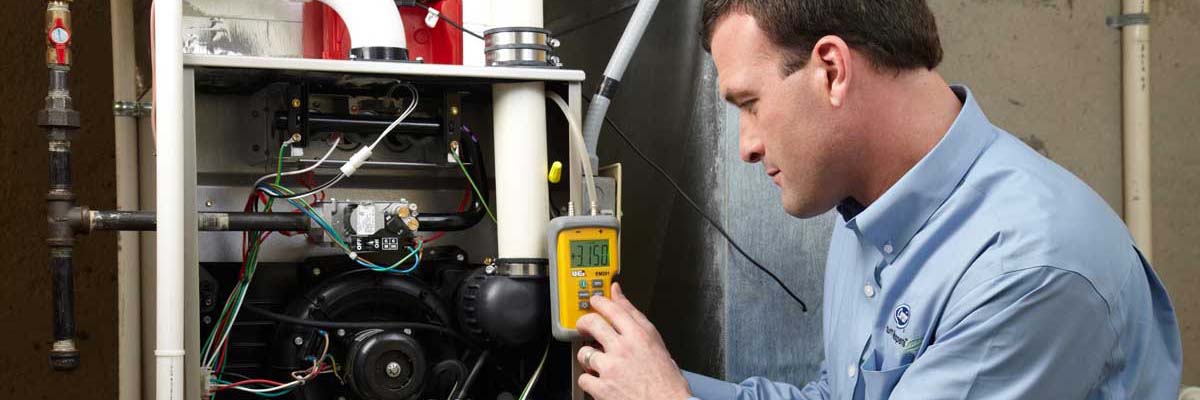
As the temperatures in Anderson, SC, begin to dip, a reliable heating system becomes essential for keeping your home warm and comfortable. But how do you know when it’s time to replace your current heating system? Upgrading your system can save you money, improve energy efficiency, and enhance your home’s comfort. Here are some key signs to watch for that indicate it may be time for an upgrade.
If your energy bills have been steadily rising despite no significant changes in your usage, your heating system may be losing efficiency. Older systems often have to work harder to maintain the desired temperature, which can drive up costs. An upgrade to a high-efficiency system can help you save on your monthly bills.
Are you calling a technician more often than you’d like? Frequent repairs can quickly add up, making it more cost-effective to invest in a new system. If the cost of repairs is approaching 50% of the cost of a new system, it’s time to consider an upgrade.
If some rooms in your home are warm while others are cold, it’s a sign your heating system is struggling to distribute heat evenly. Modern systems, including those with zone heating capabilities, can provide consistent warmth throughout your home.
Rattling, banging, or other strange noises from your system often signal internal wear and tear. Similarly, persistent burning smells or other odors could indicate serious issues. Don’t ignore these signs, as they could pose safety concerns.
Most heating systems have a lifespan of 15–20 years. If your system is nearing or has surpassed this age, it’s time to start thinking about a replacement. Newer systems offer improved energy efficiency and advanced features like smart thermostats and variable-speed motors.
If your heating system struggles to maintain your desired temperature or takes longer to heat your home, it might be losing its effectiveness. Upgrading ensures a more consistent and comfortable environment for your family.
Investing in a new heating system has several advantages:
At David Taylor Heating & Air, we understand the importance of a reliable heating system. If you’re noticing any of these signs or are unsure about the state of your current system, our experienced team is here to help. We’ll assess your home’s needs and recommend the best solution to keep your family warm and cozy. Contact us today to schedule an inspection or learn more about our heating system installation services in Anderson, SC. Don’t wait for a complete breakdown—ensure your home’s comfort this winter with an upgraded heating system! Check out our service page to learn more about how David Taylor Heating & Air can keep your Anderson, SC home comfortable year round.
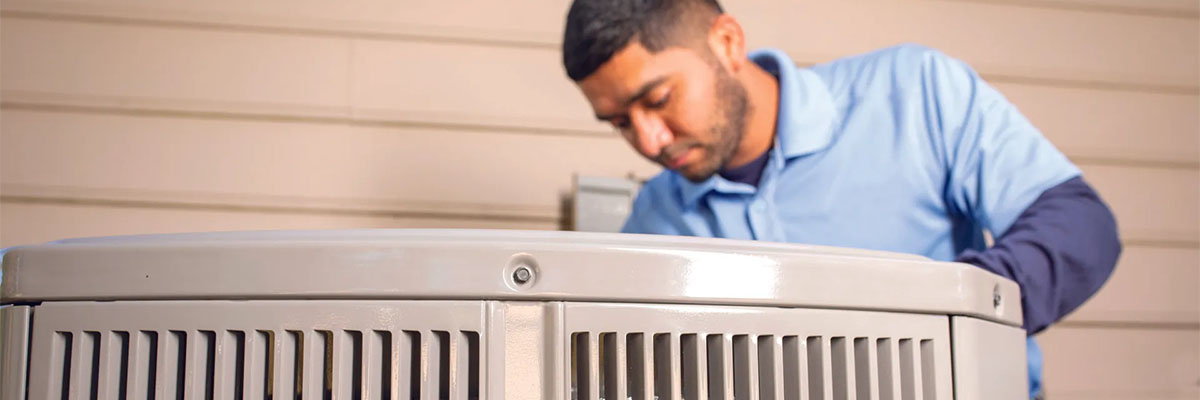
For Anderson, SC homeowners, finding a reliable, energy-efficient solution to maintain a comfortable indoor environment is essential. One system that has become a popular choice across the region is the heat pump. Known for its versatility and efficiency, a heat pump can be a game-changer for those looking to manage heating and cooling in their home seamlessly. Here are some reasons why Anderson residents should consider installing a heat pump for year-round comfort.
Anderson’s relatively mild winters and warm summers make it an ideal location for a heat pump. This system doesn’t generate heat as a furnace does; instead, it moves heat between the inside and outside of your home, depending on the season. In cooler months, it pulls heat from the outside air, while in the summer, it works like an air conditioner, expelling heat from your indoor space. This efficient process uses less energy than traditional HVAC systems, leading to potential savings on utility bills.
One of the most appealing features of a heat pump is its dual functionality—it provides both heating and cooling. This means that with one system, you can manage your home’s temperature year-round, making it easier to maintain an ideal climate in all seasons. Instead of juggling separate heating and cooling systems, a heat pump offers a single solution, saving space and simplifying maintenance.
For those looking to reduce their carbon footprint, heat pumps are a more eco-friendly option compared to traditional furnaces and air conditioners. Since heat pumps transfer heat rather than burning fuel to create it, they require less energy and produce fewer greenhouse gas emissions. Anderson homeowners can enjoy a comfortable indoor environment while making a sustainable choice that aligns with greener living.
While the initial installation cost of a heat pump can be higher than some other systems, the potential savings over time are significant. Since heat pumps are more energy-efficient, homeowners can expect to see a decrease in their monthly heating and cooling bills. In Anderson, where energy costs can fluctuate, the savings from a heat pump’s efficiency can add up quickly, making it a cost-effective choice in the long run.
Heat pumps also contribute to improved indoor air quality. Because they continuously circulate and filter the air, removing contaminants like dust, pollen, and pet dander, they create a cleaner indoor environment. For those with allergies or respiratory issues, this added benefit can make a noticeable difference in the quality of life within your home.
Heat pumps operate at lower noise levels compared to traditional HVAC systems, making them ideal for maintaining a peaceful home environment. Advanced models are equipped with sound-dampening technology, which allows them to function quietly, providing consistent comfort without the disruptive noise of a furnace or air conditioner kicking on and off.
At David Taylor Heating & Air, we know each home is unique, and so are its heating and cooling needs. Our team of experienced technicians can help you determine if a heat pump is the best solution for your home. With expert installation and regular maintenance, a heat pump can provide dependable comfort in every season.
Ready to experience the year-round benefits of a heat pump? Contact David Taylor Heating & Air today to learn more about heat pump options, schedule an assessment, or book an installation. Anderson homeowners deserve a comfortable, efficient home, and a heat pump could be just the solution you need! Check out our heat pump product page to learn more about the energy efficient heat pumps we carry and install here in the greater Anderson, SC area.
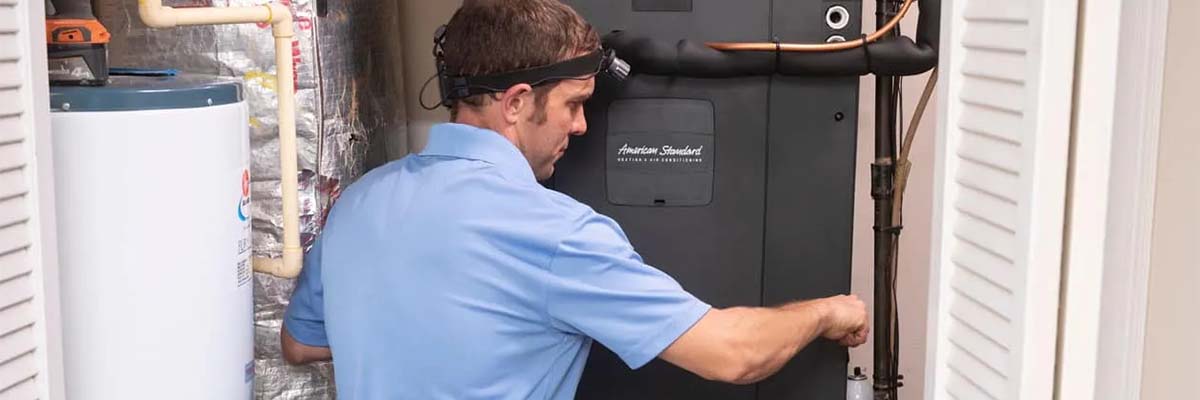
As the temperatures dip in Anderson, SC, homeowners face the critical decision of choosing the right heating system. With an array of options available, it’s essential to understand the unique features and benefits of each. In this blog, the David Taylor Heating & Air team, your local HVAC experts, will compare different heating systems, including furnaces and heat pumps. Armed with this knowledge, homeowners can make informed decisions to ensure optimal comfort and efficiency in their Anderson, SC homes.
Overview: Furnaces are a common and reliable heating option, typically powered by natural gas, propane, or electricity. They work by heating air and then distributing it throughout the home using a network of ducts.
Pros:
Cons:
Overview: Heat pumps are versatile systems that can provide both heating and cooling. They work by transferring heat from one place to another, using electricity to move warm air into the home during winter and extracting heat from the indoor air for cooling in summer.
Pros:
Cons:
Furnaces and heat pumps both offer energy-efficient options, but the extent of efficiency can vary. Furnaces with high Annual Fuel Utilization Efficiency (AFUE) ratings are considered efficient. Meanwhile, heat pumps are renowned for their efficiency in moderate climates, providing excellent performance with lower energy consumption.
Furnaces require space for ductwork, making them suitable for homes with existing duct systems. Heat pumps are more versatile, with ducted and ductless options. Ductless heat pumps are ideal for homes without ductwork, offering flexibility in installation.
While the operational costs depend on factors such as energy prices and system efficiency, heat pumps often have lower day-to-day operational costs due to their energy-efficient operation. Furnaces, on the other hand, may have higher operational costs depending on the fuel source.
In Anderson, SC, the choice between furnaces and heat pumps depends on various factors, including climate, existing infrastructure, and personal preferences. Our HVAC professionals here at David Taylor Heating & Air are here to guide homeowners through this decision-making process, offering personalized recommendations based on their unique needs. Contact us today to embark on the journey of selecting the ideal heating system for your Anderson, SC home—where comfort meets efficiency. Check out our products page today to learn more about some of the energy efficient heat pumps and furnaces we carry and install.
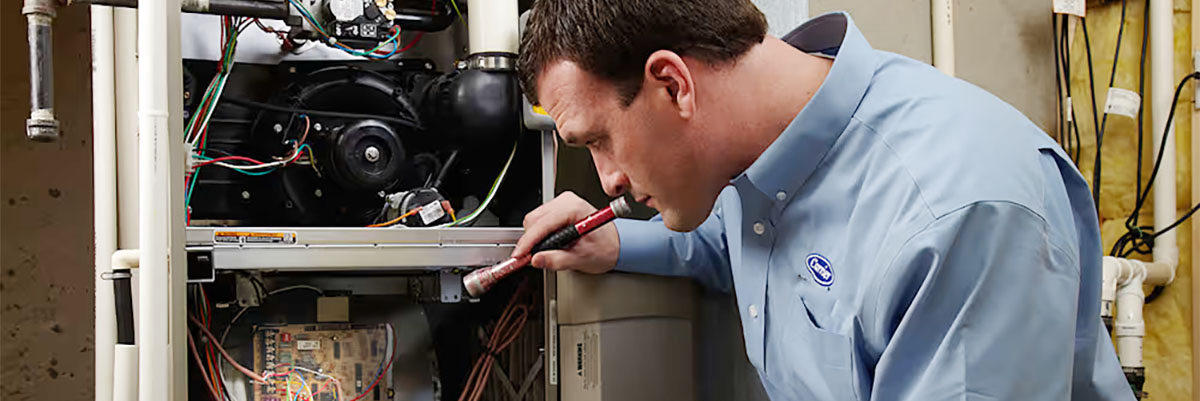
Winter is upon us, and as the temperature drops, the importance of a reliable and efficient heating system becomes paramount. As your trusted HVAC contractor in Anderson, SC, the David Taylor Heating & Air team understands the significance of keeping your home warm while also being mindful of energy consumption. In this blog post, we’ll explore energy-efficient heating solutions to ensure your winter comfort without breaking the bank.
One of the most effective ways to enhance energy efficiency is by upgrading to a high-efficiency furnace. Modern furnaces are designed to provide superior heating performance while consuming less energy. Look for units with a high Annual Fuel Utilization Efficiency (AFUE) rating, indicating their efficiency in converting fuel to heat.
A programmable thermostat empowers homeowners to set heating schedules that align with their daily routines. Lowering the temperature when you’re away or asleep can result in significant energy savings. Our experts can guide you in choosing and installing a programmable thermostat tailored to your needs.
Zoning systems allow you to heat specific areas of your home independently. By dividing your home into zones, you can direct heat where it’s needed most, avoiding unnecessary heating in unoccupied spaces. This targeted approach not only enhances comfort but also optimizes energy usage.
Ductless mini-split systems offer a flexible and energy-efficient alternative to traditional HVAC systems. They provide both heating and cooling capabilities and allow for precise temperature control in individual rooms. With no ductwork required, these systems eliminate energy losses associated with duct-based systems.
Ensuring your heating system receives regular maintenance is crucial for optimal efficiency. Schedule annual inspections and tune-ups to keep your system running smoothly. Our HVAC professionals can identify and address issues before they escalate, maximizing energy efficiency and extending the lifespan of your equipment. Check out our maintenance page to learn more about our professional heating system maintenance service.
A well-insulated home retains heat more effectively, reducing the workload on your heating system. Check for air leaks around windows, doors, and other openings, and seal them to prevent heat loss.
Additionally, proper insulation in attics, walls, and basements contributes to a more energy-efficient home.
As your dedicated HVAC partner in the greater Anderson, SC area, the David Taylor Heating & Air team is committed to enhancing your winter comfort while promoting energy efficiency. By incorporating these heating solutions, you not only enjoy a cozy home but also contribute to a more sustainable and cost-effective living environment. Contact us today to discuss how these energy-efficient heating solutions can be customized for your home’s unique needs. Stay warm and energy-smart this winter!
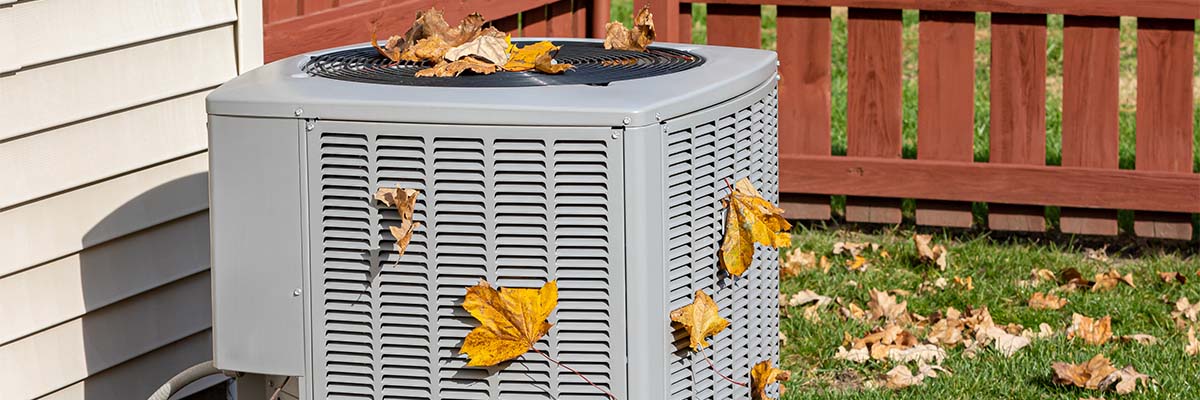
As autumn descends upon Anderson, SC, your HVAC (Heating, Ventilation, and Air Conditioning) system plays a pivotal role in maintaining a cozy and comfortable home. However, the transition between seasons can sometimes bring about issues that may affect your system’s performance. In this Fall HVAC System Troubleshooting Guide, our expert HVAC contractors in Anderson, SC, provide insights and tips to help you identify and address common problems, ensuring your HVAC system operates smoothly throughout the fall season.
Problem: If certain rooms feel colder or warmer than others, it could indicate issues with airflow, insulation, or thermostat settings.
Solution: Check for blocked vents, ensure proper insulation, and calibrate your thermostat settings. If the problem persists, consult with a professional HVAC technician from the David Taylor Heating & Air team to assess and rectify the issue.
Problem: Strange sounds like banging, hissing, or rattling can be indicative of underlying issues within your HVAC system.
Solution: Investigate the source of the noise. Loose parts, debris in the ducts, or worn-out components could be the cause. Schedule a professional inspection with our team to identify and address the problem promptly.
Problem: Decreased airflow may result from clogged air filters, blocked vents, or issues with the blower motor.
Solution: Regularly replace or clean air filters, ensure vents are unobstructed, and schedule professional maintenance to address any mechanical issues affecting airflow.
Problem: Inaccurate temperature readings or unresponsive thermostats can disrupt your HVAC system’s operation.
Solution: Verify thermostat settings, replace batteries if necessary, and ensure it is free from dust or debris. Consider upgrading to a programmable or smart thermostat for enhanced control and accuracy.
As fall settles in Anderson, SC, it’s crucial to address HVAC issues promptly to ensure a comfortable and efficient home. While this troubleshooting guide provides some solutions, complex problems may require professional assistance. Our seasoned HVAC contractors in Anderson, SC, are here to help diagnose and resolve any fall HVAC challenges you may encounter. Contact us today to schedule a maintenance check or repair service, and let’s keep your home cozy throughout the autumn season. Check out our services page to learn more about some of the heating and air conditioning services we provide here at David Taylor Heating & Air.

As summer in Anderson, South Carolina starts to wane, the arrival of fall brings the promise of cooler days and crisp evenings. It’s the perfect time to ensure your HVAC system is in top shape to keep your home comfortable during the changing seasons. At David Taylor Heating & Air, we understand the unique needs of homeowners in Anderson, and we’re here to guide you through the steps of getting your HVAC system ready for fall. Keep reading below to learn how to prep your HVAC system for the fall season.
The first step in preparing your HVAC system for fall is to schedule a comprehensive inspection with our experienced technicians. A professional evaluation will identify any issues that may have arisen over the summer and ensure your heating system is primed for the cooler weather.
One of the simplest and most effective maintenance tasks homeowners can perform is replacing air filters. A clean filter ensures proper airflow and helps your HVAC system operate efficiently. Consider switching to high-efficiency filters to improve indoor air quality.
As temperatures drop, transition your thermostat settings from cooling to heating mode. If you don’t already have a programmable thermostat, now is an excellent time to consider installing one. Programmable thermostats allow you to set specific temperature schedules to optimize comfort and energy savings.
Anderson homeowners can benefit from our HVAC maintenance plans. Regular service extends the life of your HVAC system, enhances efficiency, and provides peace of mind throughout the year.
As fall approaches Anderson, South Carolina, taking the time to prepare your HVAC system is a wise investment in your home’s comfort and energy efficiency. Don’t wait until the temperatures plummet to discover issues with your heating system. Schedule a professional inspection and follow these maintenance tips to enjoy a cozy and worry-free autumn season.
At David Taylor Heating & Air, we’re dedicated to helping homeowners in Anderson keep their HVAC systems running smoothly year-round. If you have any questions, require assistance, or want to schedule your fall HVAC maintenance, please don’t hesitate to contact us. We’re here to ensure your home remains a haven of comfort, no matter the season.

107 N Park Drive
Anderson, SC 29625
License # CLM.110580
Heat pumps? Air conditioners? Furnaces? Thermostats? We have you covered! You can count on us for anything and everything that pertains to heating and cooling your home or business. Affordable pricing and high quality equipment is what David Taylor Heating & Air is all about. Whether you need a seasonal service call, repair, or new installation, we will take care of it for you! Give us a call today, and say, “Hi,” to the “Heating and Air Guy!”
©2025, David Taylor Heating & Air Conditioning. All Rights Reserved. Privacy Policy | Terms & Conditions