





Many homeowners wonder whether they should keep their bedroom doors open or closed when running their HVAC system. On the surface, it seems simple — closing doors might help you keep rooms warmer or cooler, while leaving them open allows airflow to circulate. But HVAC airflow is a bit more complex than that. Understanding how your system works, the design of your ductwork, and how air pressure impacts comfort can help you make the best choice for energy efficiency and home comfort.
This article explores the truth about closing bedroom doors and HVAC airflow, common misconceptions, and tips to optimize comfort in your home.
HVAC systems are designed to move conditioned air throughout your home efficiently. The system pushes air from the supply vents through ducts and returns it to the furnace or air handler via return vents.
When doors are closed, it can restrict airflow if the room doesn’t have a dedicated return vent. This can create pressure imbalances that reduce system efficiency and even cause wear on your HVAC components.
Many people believe that closing a bedroom door will trap heat or cool air inside, reducing energy use. While it may provide temporary comfort, it can actually force your HVAC system to work harder to maintain the set temperature because the system is designed for airflow throughout an open floor plan.
This is incorrect. Closing doors without proper returns can create pressure imbalances, reducing air movement into the room and sometimes even causing air to leak through other pathways, like under doors or through gaps in ductwork.
In reality, airflow restrictions from closed doors can increase energy usage. The system may overheat, overcool, or cycle longer than necessary to maintain a set temperature, which can raise your utility bills.
Although closing doors can cause airflow restrictions, there are times when it’s actually beneficial:
If a bedroom doesn’t have a return vent, the HVAC system may struggle to push air in. This can cause uneven heating or cooling and leave the room uncomfortable.
Closed doors restrict airflow, creating higher pressure in supply ducts and lower pressure in returns. Over time, this can damage your system’s blower motor, reduce efficiency, and increase energy costs.
When airflow is restricted, the system may reach the thermostat setpoint too quickly in other areas, causing frequent on/off cycles (short-cycling), which puts stress on the system and reduces comfort.
Increased pressure from closed doors can force air through leaks in ductwork, which reduces system efficiency and can push dust and allergens into unwanted areas.
By understanding the relationship between bedroom doors and airflow, homeowners can make informed decisions to maximize comfort, protect their HVAC system, and reduce energy costs. Contact us today.
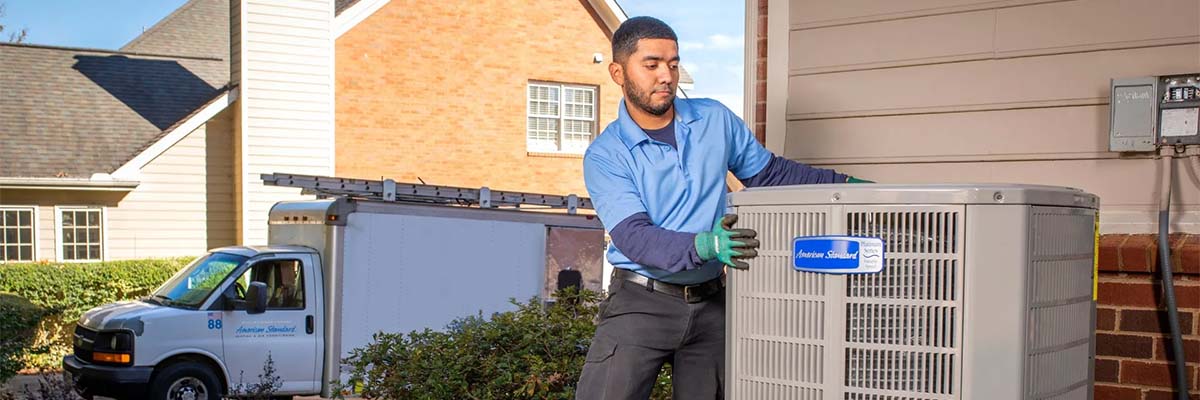
As the winter chill sets in, keeping your home warm and cozy often means an increase in energy usage—and higher energy bills. But with the right strategies, you can enjoy a comfortable home without breaking the bank. At David Taylor Heating & Air, we understand how vital it is to strike a balance between warmth and energy efficiency. Here are some tips to help you save on energy bills this winter while making the most of your HVAC system.
Before the cold weather takes over, schedule a maintenance check for your heating system. Regular tune-ups ensure your system operates efficiently, reducing the strain on your equipment and lowering energy consumption. Our expert technicians in Anderson, SC, can inspect and optimize your system to prepare it for the season ahead.
Installing a programmable thermostat is a simple way to cut down on energy usage. Set it to lower the temperature when you’re sleeping or away from home and to warm up just before you wake up or return. For every degree you lower your thermostat over an eight-hour period, you can save up to 1% on your heating bill.
Drafty windows and doors can cause your HVAC system to work overtime to keep your home warm. Check for and seal any leaks using weatherstripping or caulking. Don’t forget to inspect less obvious areas, such as around electrical outlets, attic hatches, and plumbing penetrations.
Clogged or dirty filters restrict airflow, making your HVAC system work harder and consume more energy. Replace your filters every 30 to 90 days, depending on your system and how often it’s used.
Ceiling fans aren’t just for summer. Reverse the fan direction in winter to a clockwise motion to push warm air downward, helping distribute heat more evenly throughout your home.
Proper insulation is key to keeping warm air inside your home. Make sure your attic, walls, and floors are adequately insulated to reduce heat loss. This investment can significantly lower your heating costs over time.
If your heating system is more than 10-15 years old, it might be time for an upgrade. Modern high-efficiency HVAC systems use less energy while providing superior comfort. Contact David Taylor Heating & Air to learn about energy-efficient options tailored to your home and budget.
Open curtains and blinds on south-facing windows during the day to let sunlight naturally warm your home. Close them at night to reduce heat loss through the glass.
If you have rooms that are rarely used, close the vents and doors to concentrate heat in the areas you use most often. However, consult with an HVAC professional to ensure this doesn’t negatively affect your system’s efficiency.
Blocked vents or registers can impede airflow, forcing your HVAC system to work harder. Ensure furniture, rugs, and curtains aren’t obstructing heat circulation.
By following these simple tips, you can stay warm and cozy this winter without worrying about skyrocketing energy bills. Need help optimizing your HVAC system or upgrading to a more efficient model? The experts at David Taylor Heating & Air in Anderson, SC, are here to assist. Contact us today to schedule a service or learn more about how we can help you stay comfortable while saving money this winter.

107 N Park Drive
Anderson, SC 29625
License # CLM.110580
Heat pumps? Air conditioners? Furnaces? Thermostats? We have you covered! You can count on us for anything and everything that pertains to heating and cooling your home or business. Affordable pricing and high quality equipment is what David Taylor Heating & Air is all about. Whether you need a seasonal service call, repair, or new installation, we will take care of it for you! Give us a call today, and say, “Hi,” to the “Heating and Air Guy!”
©2025, David Taylor Heating & Air Conditioning. All Rights Reserved. Privacy Policy | Terms & Conditions